Sprinkler control without the subscription sprinkler tax.
ESPrinkler32 is a practical ESP32 sprinkler and automation controller. The current lane is a local-first, hand-solderable Rev D prototype: touchscreen, web UI, schedules, Home Assistant friendliness, and safe all-off behavior before anything cloud-ish gets invited to the party.
Current direction: build the boring-reliable one first.
The weekly pivots are part of the fun, but the site needed a reality check. PCBWay-first assembly is no longer the default story. The current path is garage-friendly prototypes in Centennial, Colorado, with a clean modular power interface instead of duplicating tiny SMD power islands on every board.
Chuck-compatible hardware.
Hand-solderable, reworkable, sourceable parts. Through-hole mechanical relays and terminal blocks where field service matters. SMD only where it earns its keep.
- 8 zones
- Local web UI + touchscreen
- Schedules, names, logs, backup config
Protected 5V gets its own module.
The main board exposes a clean landing pad/interface. Little Billy handles intelligent protected power so the sprinkler board stays garage/class friendly instead of becoming a tiny power-island suffering device.
- Future barrel-jack variant possible
- Reusable protected-power building block
- Main board stays sane
Classroom ideas survive, but wait their turn.
The LED-ring galaxy lesson and STEM kit path still make sense. The live irrigation controller comes first; the school version should use compatible modules and safe demo loads, not premature manufacturing complexity.
Hardware path
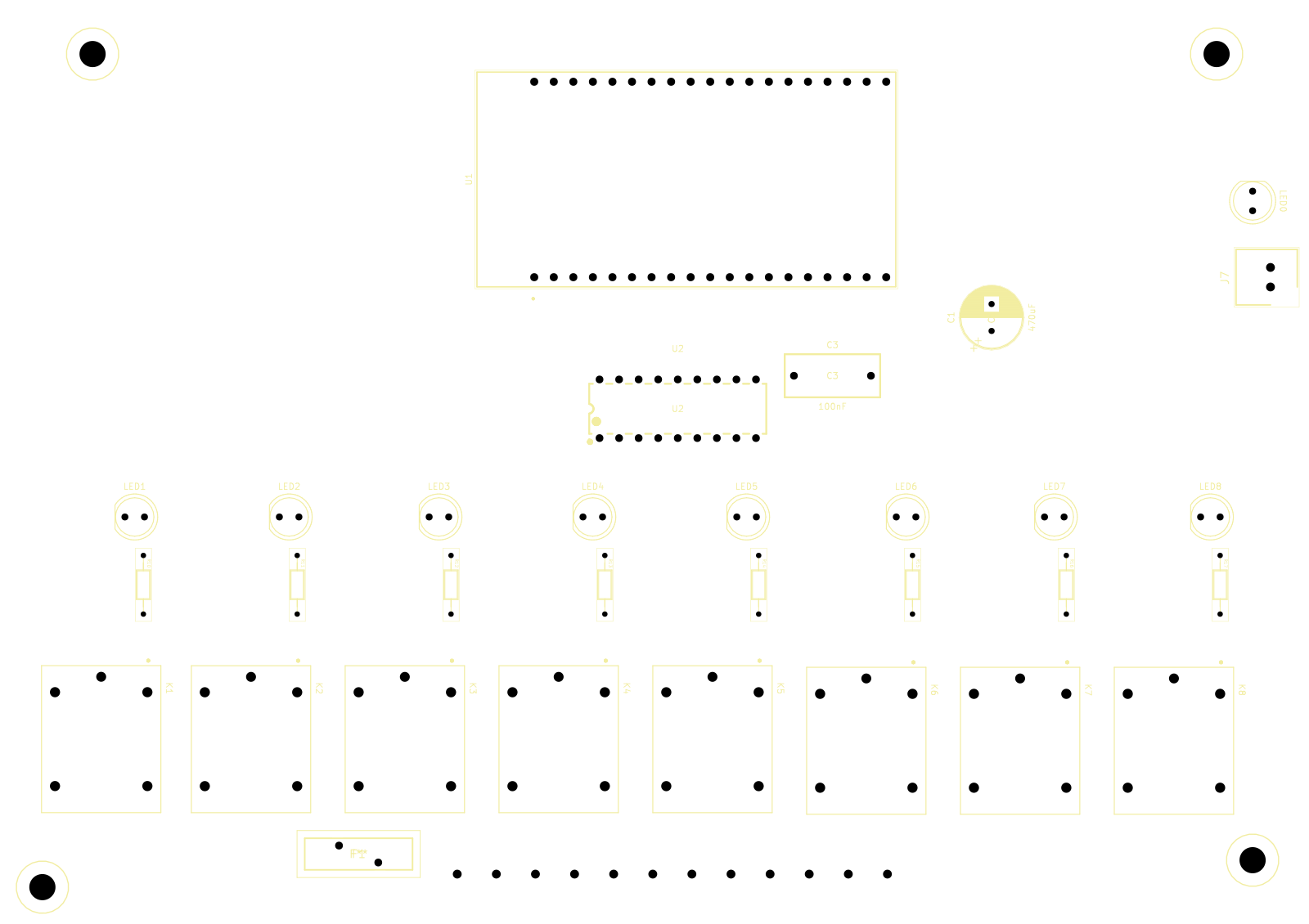
The practical architecture is local-first control with visible status, simple serviceability, and hard fail-off habits.
| Controller | ESP32-S3 touchscreen module running custom local firmware |
|---|---|
| Main PCB | Rev D / Rev4.1-style maker board, garage-built where practical |
| Power | Modular Little Billy protected 5V power interface instead of duplicated onboard SMD power islands |
| Outputs | 8 sprinkler/automation zones through relay driver expansion |
| Control | Touchscreen, local web UI, REST-ish API, Home Assistant friendly |
| Safety habits | All outputs off on boot/reset, max runtime thinking, local all-off endpoint, no cloud dependency |
Online-assisted, not cloud-dependent.
The controller should not need esprinkler32.com to water anything. The website is just the friendly how-to/QR landing page. The actual setup happens locally on the controller.
Factory reset before handoff
Use /api/factory-reset?confirm=RESET. The controller clears local settings, forces outputs off, and reboots into setup mode.
Join the setup WiFi
Connect phone/laptop to ESPrinkler32-XXXX with password sprinkler.
Open local setup
Go to http://192.168.4.1/setup, enter home WiFi, then let the controller reboot.
Name zones and schedule locally
Use the local web UI/touchscreen. If anything gets weird, hit ALL OFF or call /api/alloff.
The classroom galaxy is still in the drawer.
The STEM branch still has legs: LED rings, APIs, power budgeting, debugging, and safe demo loads. It just should not drag the neighbor prototype into premature kit-business cosplay.
They learn power
5V, 3.3V logic, shared ground, current limits, and why full-white LEDs are emotionally educational.
They learn APIs
Browser or curl calls change physical pixels. Software stops being abstract when the room lights up.
They learn debugging
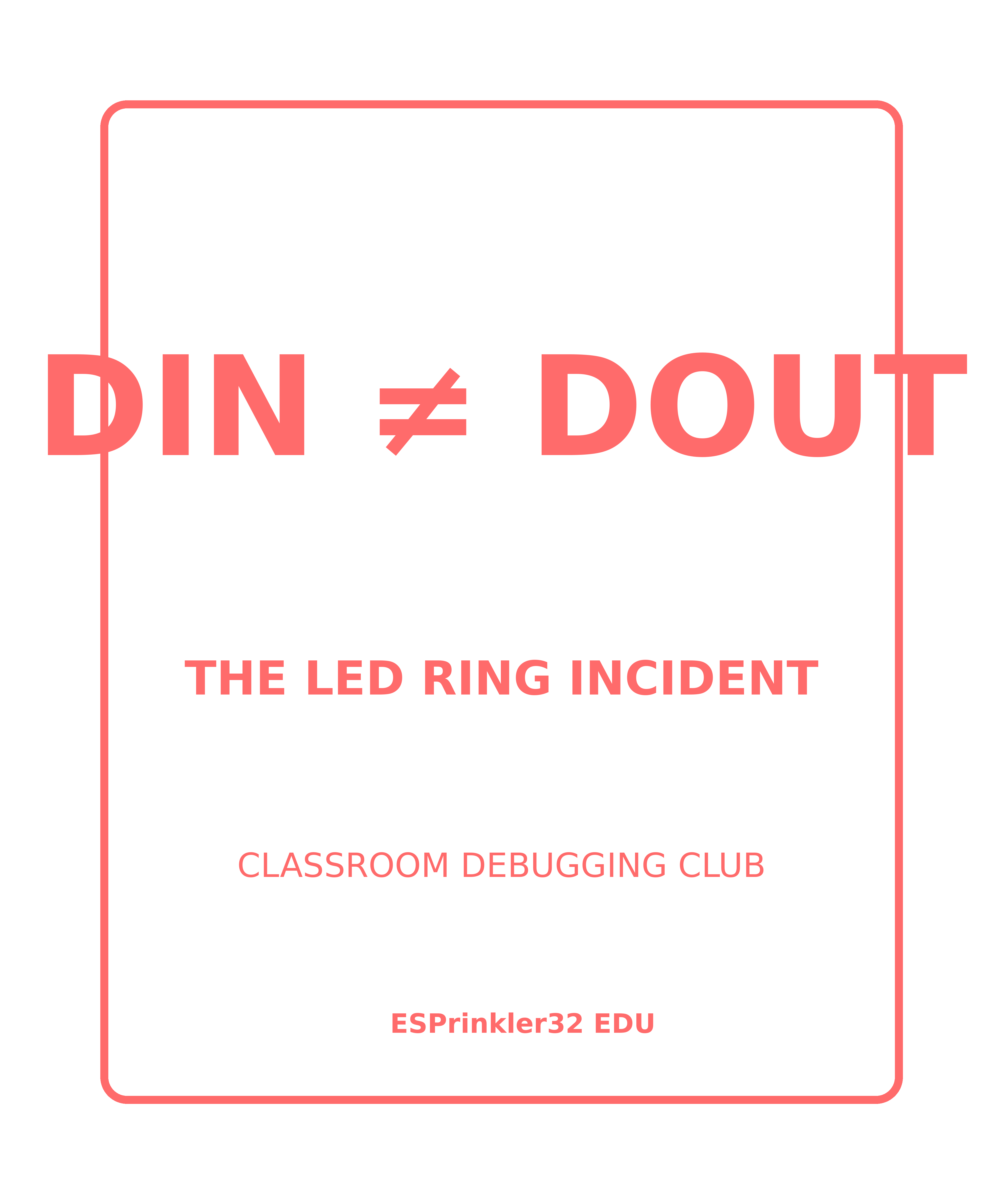
“It doesn’t work” is not a diagnosis. Check power, ground, DIN, data pin, brightness, then blame the code.
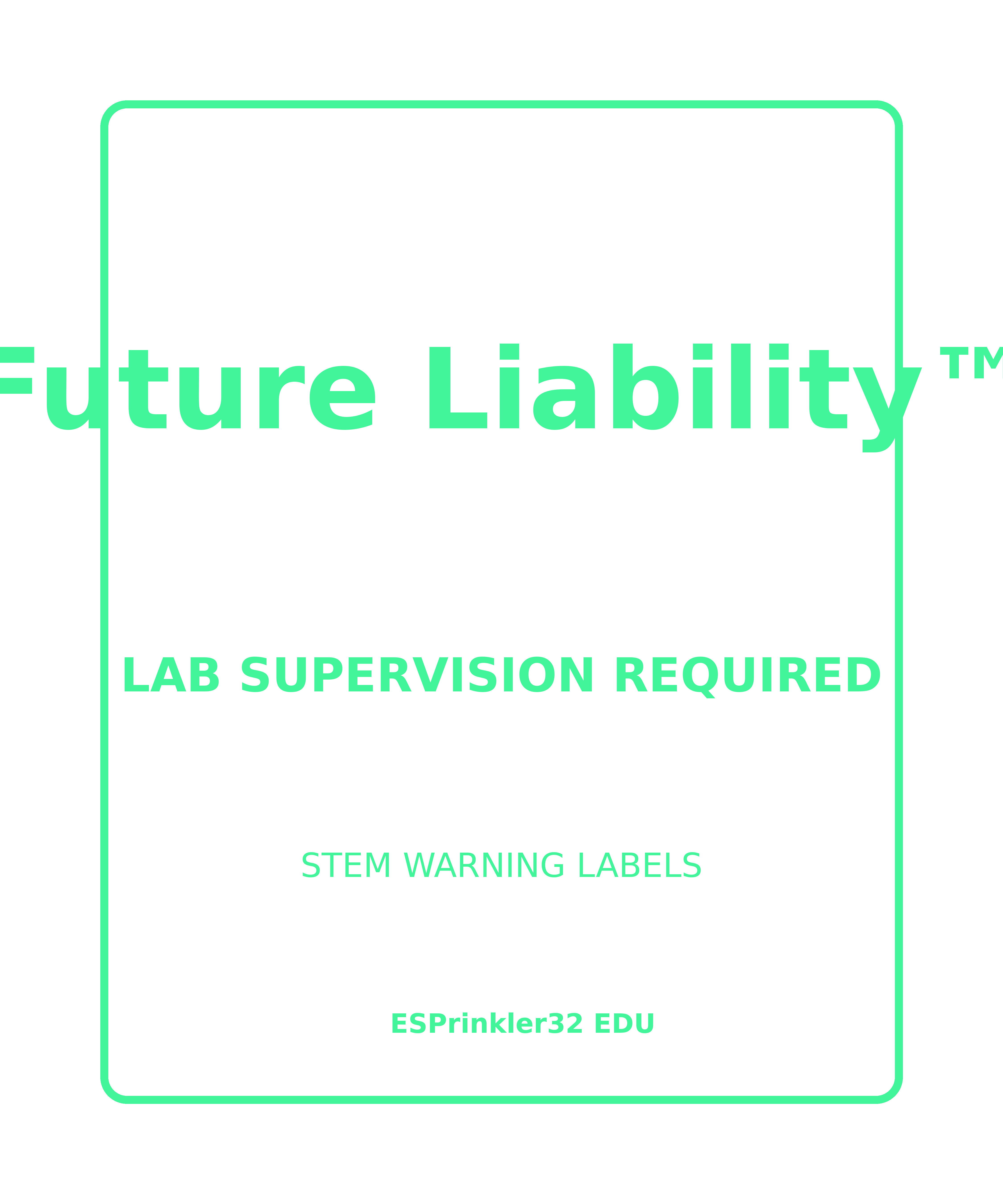
STEM warning labels / Future Liability
The merch lab stays as a fun side quest, not the main product. School-safe line first; garage-only dark jokes stay in the back pocket.


Next build steps
Finish Rev D handoff quality
Labels, QR setup guide, factory reset path, all-off behavior, and a neighbor-safe quick-start.
Keep Little Billy modular
Lock the interface between main board and protected 5V module before duplicating power circuitry.
Bench-verify before blessing
Read-only KiCad audit, DRC/ERC, wiring sanity, and real output/off-state checks before another board order.
Revisit EDU after reality
Use the proven controller story to shape the classroom kit, not the other way around.
Working docs
Markdown docs for the current lane. Polished PDFs can wait until the hardware stops shape-shifting every Tuesday.